An Orthodontist Can Straighten Teeth and Fix Your Bite
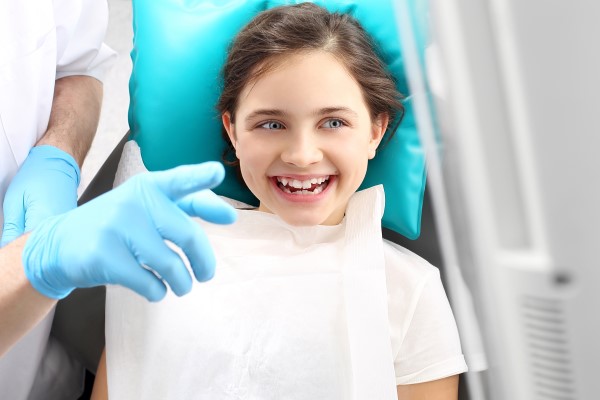
A person’s bite is important to oral health, and an orthodontist can help with fixing a patient’s bite or straightening the teeth. Malocclusion is the term for the condition where the teeth are not properly aligned while the mouth is closed; misalignment is a technical term for crooked or abnormally spaced teeth. There are several reasons a person may develop these types of oral health issues.
For many people, orthodontic problems are the direct result of genetics. The way a person's jaw is shaped, the shape and size of their teeth, and the number of teeth they have are often a result of their DNA. However, there are other situations that can impact these areas. Thumb or finger sucking and prolonged bottle or pacifier use are often to blame for alignment issues. These habits impact the shape of the jaw and palates while they are still developing at a young age.
Impacted teeth, which are teeth that never erupt above the gumline but grow below the surface instead, can also lead to crooked teeth or a poorly aligned bite. This is also true of injuries or trauma to the face or jaw. Misalignment can cause discomfort, impact speech, or make it harder it eat certain foods. Many individuals with malocclusion also seek treatment to improve appearance, making orthodontic treatments both cosmetic and corrective.
Those who should seek orthodontic treatment
There are several conditions that orthodontic treatment can address, and the length or type of treatment varies by condition. In addition to the position or alignment of the teeth, there could be concerns with spacing or crowding. The following concerns may call for an orthodontist to help:
- Protruding front teeth are more easily damaged during falls or injuries
- Impacted teeth may not emerge fully from the gum
- Crowding from a narrow jaw may cramp the teeth
- An underbite or overbite creates openings between the upper or lower teeth when clenched
- Asymmetrical teeth have differences between upper and lower teeth that show when the mouth is closed
- A crossbite may have teeth too near the tongue or cheek
Problems with malocclusion
Gum and teeth health can significantly improve when treatment for malocclusion occurs. When teeth are misaligned, food particles can get lodged between the teeth and cause a rapid rise in plaque. As plaque builds, there is an increased risk of cavities. In addition to cavities, gum disease and bone loss can be more severe concerns when having misaligned or crowded teeth.
Treatment for misaligned or crooked teeth
Orthodontic treatment covers a wide range of conditions, and patients can get a solution that works for their situation. The treatments involve a variety of appliances, but they all work to slowly shift the teeth into a different position, retrain the muscles, and impact the growth of the jaw. There are options between removable or fixed appliances, and the severity of the condition may be an impacting factor on which treatment is selected.
Braces
As one of the more common fixed appliances, braces typically consist of brackets, wires, and bands. Brackets are attached to the teeth, and a wire holds a band to the bracket. This wire slowly applies pressure to the teeth to move them into the desired position.
Aligners
Clear aligner trays have become a popular alternative to braces, particularly in adults. This treatment uses clear trays that are fitted over the teeth to create the shift, but the trays can be removed during eating and oral care.
Spacers
In some cases, spacers are used to move the teeth apart or to take the place of a tooth in the event of a premature loss of teeth. These can be either fixed or removable and may be a part of another orthodontic treatment plan.
Conclusion
Alignment issues can be caused by a variety of factors. They can also manifest themselves in different and numerous ways. Leaving problems with alignment or bite untreated could lead to long-term oral health consequences. Most dental professionals will recommend corrections for patients of all ages, as there are viable options for children, teenagers, and adults.
Those who deal with malocclusion or misaligned teeth should schedule an appointment with an orthodontist to find out more about a custom treatment plan. A professional can help you decide which option is right for you. Taking action to straighten your teeth can help improve your smile, resulting in more confidence and better dental and overall health. Take time to consider your orthodontist options and ask others whom they would recommend and take a look at patient reviews of the orthodontist office.
Request an appointment here: http://www.pricefamilyortho.com or call Price Family Orthodontics at (469) 525-2813 for an appointment in our Frisco office.
Check out what others are saying about our dental services on Yelp: Orthodontist in Frisco, TX.
Related Posts
Orthodontics typically involves wearing oral appliances like braces or clear aligners in order to straighten teeth. These devices work by constantly pushing on the wearer’s teeth, moving them to more desirable positions over time.Teeth misalignment can lead to a less aesthetically pleasing smile and a variety of oral issues, like gum disease. Getting appropriate treatment…
Orthodontics can help address issues with your bite and provide a variety of benefits, like improved oral hygiene, improved speech, and an improved smile. Orthodontics works best when patients are around the ages of 9 to 14. At this point, the jaw and facial structures are still developing, but most of the permanent teeth should…
Orthodontics can get you straighter teeth over 12 to 36 months, but treatment can put your teeth at an increased risk of developing tooth decay. Your risk of gum disease also goes up during treatment. This is due to the nature of the appliances used for orthodontics.Braces come with the highest risk of tooth decay.…
Orthodontics can fix almost all teeth alignment issues. Poorly aligned teeth can ruin the way that your smile looks, and they can also leave you more vulnerable to a variety of oral issues, like tooth decay and gum disease, because it is harder to remove plaque from teeth surfaces.Improperly aligned teeth can also make simple…