A Braces Specialist’s Tips for Pain Management
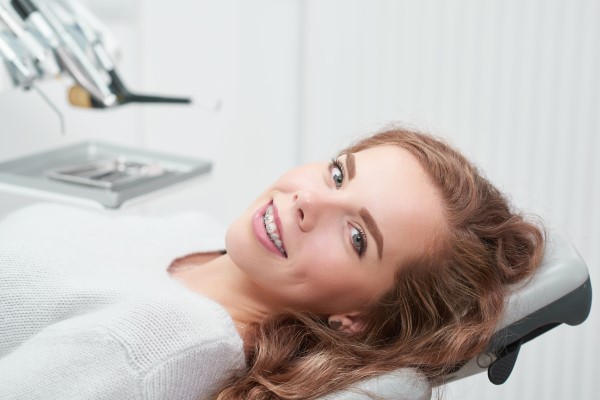
Orthodontic treatment transforms alignment, but the first few days after an adjustment can feel tender. A braces specialist, or orthodontist, can help set expectations and teach strategies that keep soreness under control from day one. This guide explains what causes discomfort, how to calm it quickly, and when to seek help so progress stays on track without unnecessary stress.
Understand the source of soreness
Tooth movement requires light, continuous pressure. Wires and elastic ties exert that pressure and stimulate the ligament that connects the teeth to the bone. The ligament responds with temporary inflammation, which produces sensitivity, especially while chewing. Lips and cheeks may also rub on new brackets until soft tissues adapt. Clear expectations reduce worry, and simple routines preserve comfort while movement continues efficiently.
Plan a 48-hour comfort routine
The first two days after a braces adjustment matter most. Schedule adjustments at times that allow rest and easy meals. Stock the kitchen with soft foods such as yogurt, scrambled eggs, soups, ripe bananas, or mashed potatoes. Encourage small bites and slow chewing to decrease pressure spikes on teeth. Use orthodontic wax on any bracket or wire that irritates the cheeks. Rinse with warm salt water to soothe tissues and support healing.
Smart choices for pain relief
A healthcare professional may recommend non-steroidal anti-inflammatory drugs (NSAIDs) to reduce inflammation. Acetaminophen offers another option when a healthcare professional advises against NSAIDs. A braces specialist or orthodontist will likely recommend applying a cold compress outside the mouth for 10 minutes at a time to dull sensitivity. Another common recommendation is to chew sugar-free gum or silicone chewies, as gently stimulating blood flow may speed adaptation.
Build a braces-safe menu
Nutrition influences comfort and progress. Emphasize protein, fruits, and vegetables that need minimal chewing. Cut firmer foods into small pieces, or consider selecting boneless fish, slow-cooked meats, or tofu instead. Skip sticky candies, hard nuts, and ice that can bend wires or break brackets and extend treatment. Finally, hydrate throughout the day; dry tissues are more easily irritated.
Protect cheeks, lips, and the tongue
New brackets can feel rough. Roll a small piece of orthodontic wax into a ball, dry the area with a tissue, and press the wax over the bracket. Replace as needed throughout the day. A silicone mouth guard designed for braces can shield tissues during sports or sleep if nighttime rubbing occurs. Also, keep lips moisturized with an unscented balm to prevent cracking.
Create a sleep strategy
Quality sleep supports tissue recovery and pain tolerance. Aim for a consistent bedtime and a cool, dark room. Elevate the head slightly if throbbing increases while lying flat. Make sure to avoid crunchy snacks late at night. Brush thoroughly with a soft brush while also using thread floss or an orthodontic flosser. Then finish with a fluoride rinse to reduce morning sensitivity.
When wires poke or a bracket loosens
Small issues can cause big discomfort. If a wire end pokes, dry the area and cover it with wax until the office can trim it. If a bracket loosens, collect the piece if it detaches and call for guidance. Do not bend wires at home. A quick professional fix prevents delays and restores comfort. Here is a simple list for fast relief:
- Soft diet for two days, then gradual return to normal textures.
- Wax on hot spots; warm salt-water rinses twice daily.
- Short, cold compress sessions; use over-the-counter pain relievers only as directed by a clinician.
- Gentle chewing with sugar-free gum or chewies to stimulate circulation.
- Excellent brushing and flossing; fluoride rinse before bed.
After the first week, tenderness subsides; maintain routines, prioritize hydration, and keep wax available. A braces specialist or orthodontist can refine strategies during check-ins to maintain comfort.
Know when to call
Contact the office if pain persists or worsens after three days, if mouth sores persist, or if swelling develops around a single tooth. Fever, foul taste, or red, puffy gums signal a need for evaluation. The good news is that clear communication keeps treatment efficient and comfortable while also protecting oral health.
Partner with your braces specialist
Comfort grows with consistent habits. A braces specialist monitors progress, sets the right wire sequence, and adjusts forces based on response. Prompt reports about rubbing, sharp wire ends, or unusual pressure can make for quick solutions. With thoughtful planning, healthy meals, and a few simple tools, most patients stay comfortable while alignment improves on schedule. For more information or to schedule an appointment, call our office at (972) 528-5519}.
To schedule a consultation, please request an appointment on our website at https://www.pricefamilyortho.com or call Price Family Orthodontics at (972) 528-5519 to arrange an appointment at our Frisco office.
Check out what others are saying about our services on Yelp: Read our Yelp reviews.
Related Posts
Orthodontics aims to straighten teeth and address a variety of issues that can develop as a result of poor teeth or jaw alignment. Issues that can be treated with orthodontic devices include spaces between teeth, crossbites, and crooked teeth.Orthodontics can also be used as preventative dentistry because it can be used to fix issues with…
Every person has unique reasons for seeking orthodontics. Some seek treatment to enhance the way that their smile looks, while others might want to address more serious issues, like not being able to speak properly due to teeth misalignment. Dentists often recommend orthodontics if they notice abnormalities like poor teeth alignment or a lack of…
Consulting with a dentist about using orthodontics like braces is the first step toward getting straighter teeth. Orthodontic devices move teeth to a more optimal alignment by applying constant force on them. Treatment times vary for each patient based on their unique condition, but it is typically somewhere between 12 to 36 months.Misaligned teeth can…
There are different types of appliances to choose from when it comes to orthodontics. These appliances typically work by pushing on the wearer’s teeth, gradually improving their alignment over time. Malocclusions, or bite problems, that can be treated with oral appliances include: Crooked teeth, spaces between teeth, overbites, underbites, and crossbites.Addressing poor teeth alignment provides…