Damon Braces vs. Traditional Braces: What Sets Them Apart?
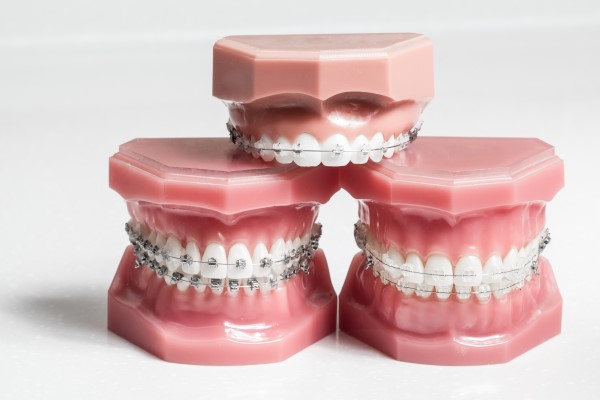
Orthodontics has advanced significantly, offering innovative solutions for misaligned teeth and jaws. Among the many options available today, Damon Braces and traditional braces remain two of the most recognized treatments. While both aim to achieve optimal alignment and improved oral function, their designs, mechanisms, and benefits are distinct. Analyzing these differences can help you become an active participant in your dental care plan.
What are Damon braces?
Damon braces represent a modern take on orthodontic treatment. They use a self-ligating mechanism to eliminate the need for elastic or metal ties, using a sliding mechanism to secure the archwire. The innovation behind Damon braces lies in their ability to reduce friction between the wire and brackets; this allows for smoother and more efficient tooth movement.
Advantages of Damon braces
Damon braces offer several unique benefits that make them attractive to many patients. Their reduced friction system promotes consistent tooth movement, often translating to shorter treatment duration. This efficiency is particularly advantageous for patients seeking quicker results without compromising quality.
Comfort is another advantage of Damon braces. By eliminating elastic ties, they significantly reduce the irritation associated with traditional braces. The absence of ties also enhances oral hygiene, as there are fewer areas for plaque and food particles to accumulate, reducing the risk of cavities and gum disease during treatment.
Further, Damon braces are available in metal and clear options, catering to aesthetic preferences while maintaining functionality. Their design minimizes the discomfort typically associated with traditional braces by applying continuous, gentle pressure rather than the intermittent, more forceful adjustments required with other systems.
What are traditional braces?
Traditional braces have been a cornerstone of orthodontics since the 1800s. They employ a straightforward and highly effective approach to alignment correction. These braces rely on metal brackets bonded to the teeth, connected by archwires secured with elastic or metal ties. Patients maintain periodic appointments during treatment, during which the orthodontist tightens the wires to apply new pressure that moves the teeth into their ideal positions.
Benefits of traditional braces
Traditional braces remain popular for addressing complex alignment issues. Their ability to exert precise, controlled forces on teeth makes them highly effective at correcting severe orthodontic issues. In particular, patients with significant crowding, rotated teeth, or bite discrepancies often find that traditional braces provide the required comprehensive correction.
Another benefit is the level of customization offered. Patients can choose colored elastic ties to personalize their braces, making the experience more engaging, especially for younger patients. Traditional braces' durability and proven track record ensure reliable results, reinforcing their status as a trusted treatment option.
Core differences between Damon and traditional braces
One of the fundamental distinctions between Damon braces and traditional ones is their mechanical design. As mentioned, Damon braces incorporate a self-ligating system that streamlines the tooth movement by reducing friction. This innovation leads to faster realignment and potentially shorter treatment times. Traditional braces, on the other hand, rely on elastic ties that can introduce resistance, slowing progress and increasing the frequency of adjustments.
Comfort is another differentiator. Damon braces are designed to minimize pressure and irritation by allowing the archwire to glide freely within the brackets. Traditional braces, while effective, often cause soreness after adjustments due to the direct pressure exerted by the tightened wires and ties.
Lastly, their aesthetic differences are pretty obvious. Damon braces offer clear bracket options for those wanting a more discreet appearance, which appeals to patients seeking less noticeable orthodontic solutions. Traditional braces, though customizable with colored ties, remain more visible, which may not align with everyone's preferences.
Choosing between Damon and traditional braces
Choosing between Damon and traditional braces involves several considerations from both the orthodontist and the patient. These include the severity of the alignment issue, treatment goals, aesthetic preferences, and budget. Damon braces may be more suitable for those seeking a quicker treatment and a focus on aesthetics. Meanwhile, traditional braces are well-suited for patients with more complex orthodontic needs that require robust correction. Ultimately, the orthodontist will ensure the patient has all the details necessary to make an informed decision during a consultation.
Schedule a consultation
Damon Braces and traditional braces each offer distinct advantages, catering to different patient needs and preferences. By working closely with an experienced orthodontist, patients can choose the solution that aligns with their goals and oral health requirements. If you are interested in a teeth straightening solution, contact Price Family Orthodontics and schedule an appointment today.
Request an appointment here: https://www.pricefamilyortho.com or call Price Family Orthodontics at (972) 528-5519 for an appointment in our Frisco office.
Check out what others are saying about our services on Yelp: Read our Yelp reviews.
Related Posts
Everyone deserves a smile that makes them feel confident, and for many patients, braces are a way to achieve a more symmetric smile and address aesthetic concerns. This review provides answers to common questions about braces treatment. It should help you decide if braces treatment is right for you (or your child).It helps to have…
Braces for kids are important in oral development, particularly for families considering orthodontic care for their children's growing smiles. Early orthodontic treatment focuses on working with a child's natural growth rather than using rigid appliances that restrict it. These modern methods are designed to guide the teeth and jaws as they naturally change and develop.Children's…
The two most popular and effective orthodontic treatments today are braces and clear aligners. Both are designed to straighten and correct misalignments but differ in design, approach, and effectiveness. Let us explore the key differences between these two appliances and their advantages.Braces are a tried and true orthodontic treatment method that has been used for…
Curious about braces? Read on to learn more about this type of teeth-straightening treatment. Braces have come a long way in recent years, becoming the gold standard for correcting malocclusions of the jaw and teeth.The system behind braces is simple: They work by exerting a small but constant force on the teeth over a long…