Malocclusions Frisco, TX
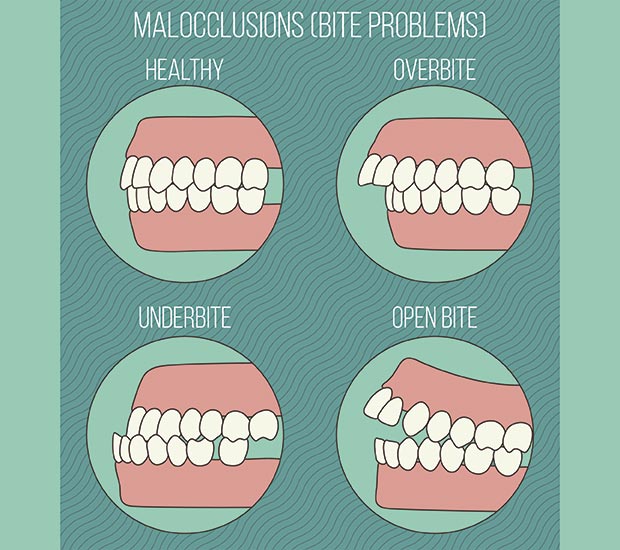
Malocclusions are abnormal alignments of the teeth and jaw that can cause various dental issues. Bite problems and uneven teeth can increase the risk of decay, tooth fracture, and uneven wear and affect the jaw and chin’s appearance. Fortunately, orthodontic dentistry can help resolve such malocclusions.
We offer orthodontic treatment at Price Family Orthodontics in Frisco and the surrounding area to treat malocclusions. Our team offers a wide range of options to help patients achieve straighter smiles. Call us today at (972) 528-5519 to learn more about our services or schedule an appointment.
Signs and Symptoms of Malocclusions
Malocclusions are often inherited. However, other factors can play a role in misaligned teeth and jaws, such as a lack of calcium and nutrients during development that adversely affects bone growth and mouth breathing. Extended thumb-sucking, bottle-feeding, and pacifier use can also contribute to abnormal teeth and jaw positioning.
Symptoms of malocclusions can range from mild to severe. Some common symptoms include:
- Changes in facial appearance
- Grinding or clenching teeth
- Headaches
- Jaw pain
- Speech difficulties
- Trouble chewing
“Extended thumb-sucking, bottle-feeding, and pacifier use can also contribute to abnormal teeth and jaw positioning.”
Diagnosing Malocclusions
During an examination, we will check the patient’s teeth and jaw for malocclusions. This process involves looking for dental problems linked to malocclusions, such as uneven wear-and-tear, enamel erosion, and tooth sensitivity. We may also take X-rays and analyze the patient’s jaw when opened, closed, and clenched to measure their bite.
There are three categories of malocclusions. Class I bites are the most common. People with this type of classification have a normal bite and mild misalignment. Severe overbites where the upper teeth and jaw overlap the bottom as categorized as class II bites. Class III bites include severe underbites that cause the lower jaw to protrude forward. Our orthodontic team can diagnose malocclusions and classify the type and severity to develop the optimal treatment plan.
“Class III bites include severe underbites that cause the lower jaw to protrude forward.”
Preventing Malocclusions
Preventing malocclusions may be difficult since people are often genetically disposed to them. However, parents can help prevent issues caused by environmental factors by helping their children establish healthy habits. Parents should limit bottle feeding, thumb-sucking, and pacifier use. It is best to wean children off bottles and pacifiers by age two to prevent more severe orthodontic problems in the future.
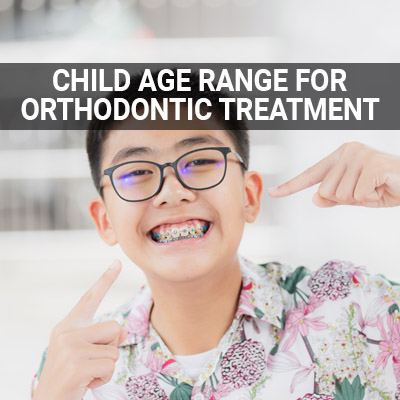
The American Association of Orthodontics (AAO) recommends that children have their first orthodontic appointment by age seven. Early detection and intervention can resolve many orthodontic problems. Children who receive early orthodontic treatment can prevent problems from developing, eliminate the cause, guide proper facial and bone growth, and ensure enough space opens for the permanent teeth to erupt.
“Children who receive early orthodontic treatment can prevent problems from developing, eliminate the cause, guide proper facial and bone growth, and ensure enough space opens for the permanent teeth to erupt.”
Check out what others are saying about our orthodontic services on Yelp: Malocclusions in Frisco, TX
The Initial Orthodontic Appointment
Orthodontic evaluations allow patients to discuss their smile goals, concerns, and preferences. Our team will examine the patient’s teeth and take any necessary measurements, X-rays, photos, and impressions. This in-depth assessment will allow us to determine the possible treatment options and develop the right plan for each patient’s unique needs.
We will also discuss the treatment process and provide patients with an estimate of their treatment length. The length of treatment will depend on various factors such as age, the type of malocclusion, and the type of orthodontic appliance used. The more complex the malocclusion, the longer the treatment process may take.
“Orthodontic evaluations allow patients to discuss their smile goals, concerns, and preferences.”
Questions Answered on This Page
Q. How is malocclusion diagnosed?
Q. How can I prevent malocclusion?
Q. What happens during an orthodontic evaluation?
Q. What treatments are available for malocclusion?
People Also Ask
Q. How do dental professionals treat crowding and spacing issues?
Malocclusion Treatment Options
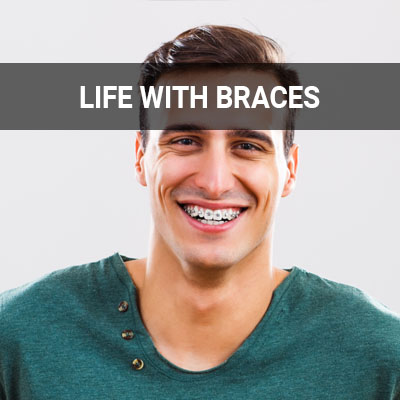
There are more orthodontic treatment options than ever to treat malocclusions. Some common options include clear aligners or braces. There are also various types of braces, such as lingual, self-ligating, ceramic, and conventional ones. In some cases, patients may require supplemental appliances such as headgear or palate expanders to aid the treatment process. People interested in orthodontic treatment should contact our office to learn about our available treatment options.
After orthodontic treatment, most patients will have to use a retainer. These appliances will help hold newly aligned teeth in place and prevent them from shifting. Patients must continue to receive regular dental exams after orthodontic treatment and maintain proper dental hygiene.
“There are also various types of braces, such as lingual, self-ligating, ceramic, and conventional ones.”
Frequently Asked Questions
Q. What is a bite malocclusion?
A. In a healthy bite, the upper teeth fit just over the lower teeth. However, in some patients, the lower jaw may push forward or slides back. Others patients may have a crossbite. This condition causes the jaw to slide to one side. Jaw misalignments are known as malocclusion.
Q. What dental problems can result from malocclusion?
A. Young patients may develop a speech impediment like a lisp. Malocclusions can also lead to tooth crowding, and over time, plaque may build up. Patients with malocclusion are at a higher risk of tooth decay. Sometimes, malocclusion patients notice changes in their jaw's appearance. Patients may feel self-conscious about crooked or misaligned facial features. Treatment can help align the jaw and improve facial symmetry.
Q. How do malocclusions affect dental health?
A. A bad bite can lead to uneven wear patterns. Over time, uneven wear may trigger tooth fractures and sensitivity. Some patients also develop gum problems. Patients with bite problems can develop crooked teeth, too. Food particles often become trapped within these crevices. These patients are at a higher risk of plaque, decay, and gum disease.
Q. How do braces move teeth?
A. Braces move teeth by applying constant pressure over time. This force slowly moves the teeth into position over time. Patients’ jaws will also gradually change to give in to this pressure.
Q. How much does malocclusion treatment cost?
A. Treatment costs can vary depending on the type of treatment, insurance, and more. Every insurance plan is different. People should contact their insurance provider for more coverage information before seeking treatment.
Quality Orthodontic Services Can Transform Smiles
By visiting us as soon as possible, our team can help get you the professional treatment you need.

Scan here to view this page, Malocclusions, on mobile
Definition of Orthodontic Terminology
Call Us Today
Malocclusions can cause many issues, from decay to uneven jawlines. Price Family Orthodontics has the orthodontic care to treat your malocclusions. Call us at 972-528-5519 to learn more about our services or schedule an appointment.
Helpful Related Links
- American Dental Association (ADA). Glossary of Dental Terms. 2021
About our business, license, and website security
- Price Family Orthodontics was established in 2011.
- We accept the following payment methods: American Express, Cash, Check, Discover, MasterCard, and Visa
- We serve patients from the following counties: Collin County
- We serve patients from the following cities: Plano, McKinney, Prosper, Allen, Fairview and Princeton
- TX (License #25136). View License Information and Specifics
- National Provider Identifier Database (1790852382). View NPI Registry Information
- Healthgrades. View Background Information and Reviews
- Norton Safe Web. View Details
- Trend Micro Site Safety Center. View Details

Scan here to open directions to Price Family Orthodontics on mobile
Back to top of Malocclusions
Related Posts

4 Dental Issues That Orthodontics Can Fix
Orthodontics aims to straighten teeth and address a variety of issues that can develop as a result of poor teeth or jaw alignment. Issues that can be treated with orthodontic devices include spaces between teeth, crossbites, and crooked teeth.Orthodontics can also be used as preventative dentistry because it can be used to fix issues with…

4 Reasons You Might Need Orthodontics Treatment
Every person has unique reasons for seeking orthodontics. Some seek treatment to enhance the way that their smile looks, while others might want to address more serious issues, like not being able to speak properly due to teeth misalignment. Dentists often recommend orthodontics if they notice abnormalities like poor teeth alignment or a lack of…
Consulting With A Dentist For Orthodontics
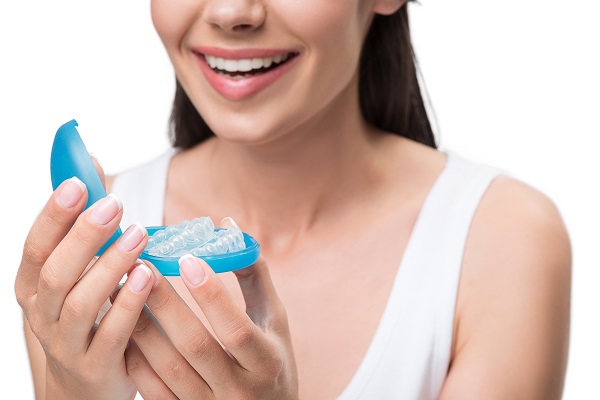
Consulting with a dentist about using orthodontics like braces is the first step toward getting straighter teeth. Orthodontic devices move teeth to a more optimal alignment by applying constant force on them. Treatment times vary for each patient based on their unique condition, but it is typically somewhere between 12 to 36 months.Misaligned teeth can…
Explore additional topics covered on our website:
Call Us Today

Scan here to call Price Family Orthodontics on mobile