
What Age Should a Child Begin Orthodontic Treatment Frisco, TX
Orthodontic care is a rite of passage for many children. Your child should receive an ortho evaluation by age seven. During this checkup, the dental provider determines whether your child needs further care. If braces are in your child's future, the dental team can create a treatment plan.
Orthodontics for kids is available at Price Family Orthodontics in Frisco and the surrounding area. We guide your family through the first orthodontist visit. Our team offers a range of services, including first braces. Call us at (972) 528-5519 to learn more.
Early Orthodontic Treatment
Early or interceptive orthodontic treatment begins between the ages of 6-9. This stage of treatment is also known as Phase One orthodontics. During this stage, a child may not have permanent teeth. As a result, the dental team usually does not focus on straightening teeth. Instead, they improve jaw alignment and bite. The team might also correct spacing issues.
The dental team makes sure that permanent teeth can shift into the right position. They also take a close look at the child's jaw size and shape. During each visit, the team takes measurements and tries to anticipate problems that might occur down the road. Interceptive treatments may eliminate the need for braces later on. If a child needs braces, early intervention may shorten treatment duration. Interceptive care protects a child's smile and reduces treatment costs.
“Interceptive treatments may eliminate the need for braces later on.”
The Right Time to Receive Braces
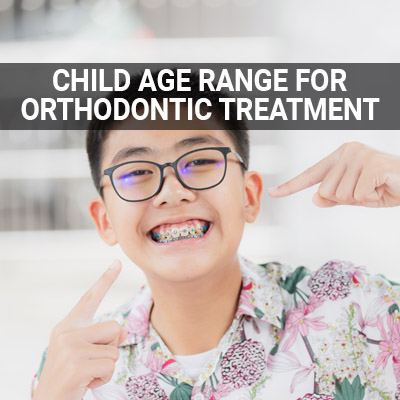
After Phase One is complete, a child enjoys a rest period. The dental team usually pauses treatment for 1-3 years. They wait for the permanent teeth to erupt and for the jaw to develop. Once a child's mouth is ready, the team takes measurements to determine whether that child needs Phase Two treatment.
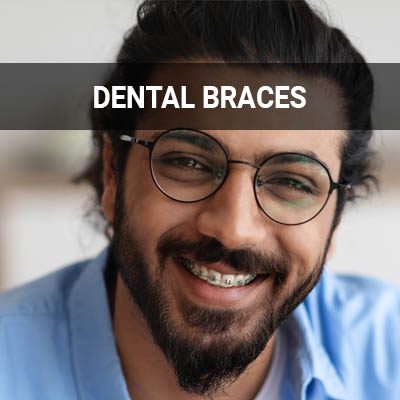
Phase Two usually begins around age 11-13. But keep in mind that each child's mouth is unique. There is no ideal age for braces. The dental team considers a family's needs and preferences. They discuss options and explain the advantages of different treatment strategies.
Older teens and adults are also eligible for Phase Two care. Older patients sometimes have a wider selection of treatment options. Our dental team can help patients explore their options and make an informed choice.
“There is no ideal age for braces.”
Clear Aligners
In recent years, clear aligners have become a commonplace orthodontic treatment. These removable trays have some advantages over traditional braces. Patients can take their aligners out to eat, brush, or attend special events. Aligners are discreet and nearly invisible. As a result, they are a popular option for teens.
But aligners are not right for everyone. Most dental providers recommend aligners exclusively for older teens and adults. Patients must be responsible and disciplined when using aligners. Younger patients may not be ready for this level of responsibility. Aligners can fix mild-to-moderate problems, but they are not right for severe orthodontic problems. If the patient has complex dental needs, traditional braces might be a better choice. Our team can discuss clear aligners in more detail.
“Most dental providers recommend aligners exclusively for older teens and adults.”
Check out what others are saying about our orthodontic services on Yelp: What Age Should a Child Begin Orthodontic Treatment in Frisco, TX
Warning Signs of Orthodontic Problems
Many parents wonder whether their child will need braces. The dental provider can offer an in-depth evaluation. During routine checkups, the provider takes measurements and examines the child's bite. They can also provide a referral for an orthodontic evaluation.
All children should receive an orthodontic evaluation by age 7. The provider may perform this evaluation in the office, or they may refer the child out. Ask the dental team what to expect during an orthodontic evaluation.
Certain risk factors can increase a child's chances of needing orthodontic care. Some childhood behaviors can also be a warning sign of underlying orthodontic problems. Parents should talk to the dental provider about the following:
- Thumbsucking
- Extended pacifier use
- Early or late loss of baby teeth
- Difficulty chewing or biting
- Mouth-breathing
Parents should keep an eye on their child's mouth. As a child grows, parents might notice:
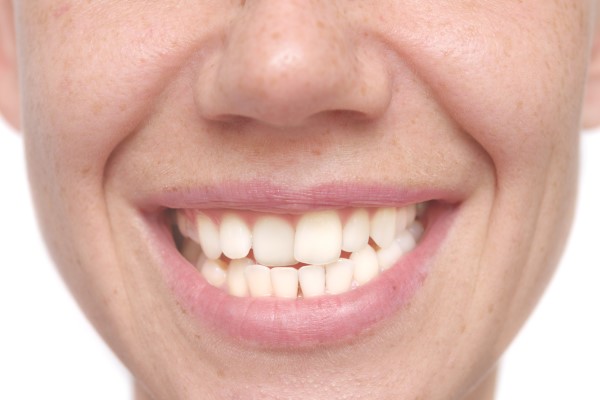
- Crooked or misaligned teeth
- An uneven bite (crossbite)
- Jaw cracking or creaking
- An overbite or underbite
- Gaps between teeth
Some of these issues may resolve on their own. But if a parent notices any changes in their child's mouth, they should call a dental provider right away. Early intervention may reduce a child's risk of needing braces later on.
“Certain risk factors can increase a child’s chances of needing orthodontic care.”
Questions Answered on This Page
Q. What is early orthodontic treatment?
Q. When should my child receive braces?
Q. Can my child receive clear aligners?
Q. What are some warning signs of orthodontic problems?
Q. What other orthodontic treatments are available?
People Also Ask
Q. Why would someone need to get dental braces?
Other Orthodontic Treatments
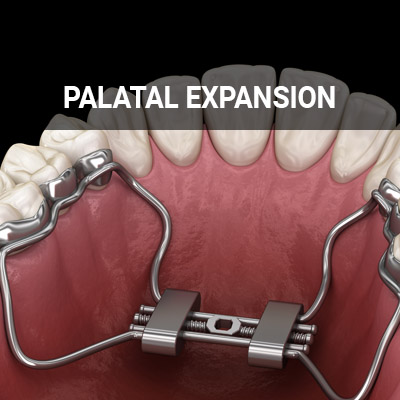
Braces are not the only way to fix an orthodontic issue. In some cases, the dental team may recommend retainers, rubber bands, jaw splints, headgear, or palate expanders. If a child has severe issues, surgery may be required. Our team can review the patient’s options and make a decision about treatment.
“If a child has severe issues, surgery may be required.”
Frequently Asked Questions
Q. What is the best age for braces?
A. Children can not receive first braces until their permanent teeth have erupted. Many children can begin to receive interceptive orthodontic care around age seven. As permanent teeth shift into place, the dental team can explore other treatments. Many children receive braces around age 11-13. Orthodontic treatment can continue until the patient is in their late teens.
Q. When should my child receive an orthodontic evaluation?
A. Children should receive an orthodontic evaluation by age seven. At this age, an orthodontist can spot developing problems. The provider can also recommend interceptive treatments and plan for future orthodontic care.
Q. What kind of orthodontic care will my child need?
A. Each patient is unique. Our orthodontist takes a close look at your child's mouth to determine what kind of care they need. We help parents explore their treatment options and make an informed decision.
Q. Can my teen receive clear aligners?
A. Some teenagers may be eligible for clear aligners. These discreet, removable appliances can correct many orthodontic concerns. But clear aligners are not right for every patient. Sometimes, traditional braces are a better choice. Our orthodontist can determine whether your child is a candidate for clear aligners.
Q. How can I reduce my child's risk of needing braces?
A. It is not always possible to avoid braces. Genetic factors can influence jaw size and shape. Sometimes, children develop dental problems without warning. But lifestyle factors can also play a role. Risk factors for orthodontic problems include:
- Thumbsucking
- Extended pacifier use
- Extended bottle-feeding
- Sleeping face-down
- Poor dental hygiene
Changing these habits may reduce your child's risk of needing braces, and early intervention is vital. Ask your orthodontist what changes you can make at every developmental stage.
Quality Orthodontic Services Can Transform Smiles
By visiting us as soon as possible, our team can help get you the professional treatment you need.

Scan here to view this page, What Age Should a Child Begin Orthodontic Treatment, on mobile
Definition of Orthodontic Terminology
Call Us Today
If you are considering orthodontic care for your child or teen, let Price Family Orthodontics in Frisco help. Our team will be happy to answer any questions you have. Call us at 972-528-5519 to learn more about our services.
Helpful Related Links
- American Dental Association (ADA). Glossary of Dental Terms. 2021
About our business, license, and website security
- Price Family Orthodontics was established in 2011.
- We accept the following payment methods: American Express, Cash, Check, Discover, MasterCard, and Visa
- We serve patients from the following counties: Collin County
- We serve patients from the following cities: Plano, McKinney, Prosper, Allen, Fairview and Princeton
- TX (License #25136). View License Information and Specifics
- National Provider Identifier Database (1790852382). View NPI Registry Information
- Healthgrades. View Background Information and Reviews
- Norton Safe Web. View Details
- Trend Micro Site Safety Center. View Details

Scan here to open directions to Price Family Orthodontics on mobile
Related Posts
Teeth Straightening Treatment Alternatives To Braces
Braces are one of the most well-known teeth straightening options. Teeth that are crowded, misaligned, or that have large gaps between them are often treated with braces. But there are other options you can choose from. Your dentist may recommend a good alternative that can help you achieve the teeth straightening results you want.Braces offer…
Which Teeth Straightening Option Is Right For You?
Teeth straightening can do more than simply enhance the appearance of one's smile. Straighter teeth are easier to clean, helping patients maintain their oral health in the process. Crowded or severely crooked teeth are more difficult to clean, which can lead to cavities. Thankfully, an orthodontist can help patients straighten their teeth in various ways…

When To Consider Teeth Straightening
Through teeth straightening services, patients of all ages can alter the appearance of their smiles. These services can also improve oral health and make oral hygiene easier. If you are wondering whether to consult an orthodontist about teeth straightening, it can help to know the common signs that indicate it is time to book an…
Explore additional topics covered on our website:
Call Us Today

Scan here to call Price Family Orthodontics on mobile