Benefits of Early Orthodontic Treatment
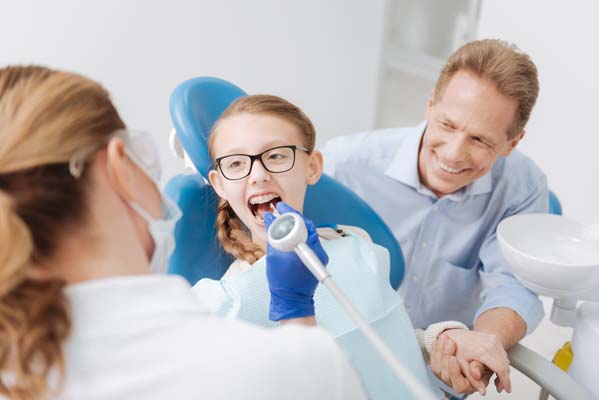
Early orthodontic treatment, also known as interceptive orthodontics, offers numerous benefits for children. By addressing orthodontic issues at an early age, an orthodontist can guide the growth and development of a child's teeth and jaw, improving their overall oral health. Early orthodontic treatment provides long-term advantages that can make a lasting impact on the health of a child's smile and their confidence in showing it off.
When to consider early orthodontic treatment
The American Association of Orthodontists (AAO) recommends that a child go to a check-up with an orthodontist when an orthodontic issue is first recognized. However, this should be no later than the age of 7. This is because the child has enough permanent teeth for an orthodontist to evaluate their developing teeth and jaws. The orthodontist is trained to spot subtle issues, even in young patients.
While orthodontists often recommend treating orthodontic problems after all permanent teeth are in place, early treatment can be beneficial for young patients with problems that can become more serious if left untreated. Early orthodontic treatment aims to intercept and address developing issues, guide the growth of the face and jawbone, and create sufficient space for the incoming permanent teeth. In some cases, the child may require a second course of treatment after all of their permanent teeth have erupted to move those teeth into their optimal position.
Some signs that early orthodontic treatment may be necessary include:
- Crowded or overlapping teeth
- Extra or missing teeth
- Large gaps between teeth
- Difficulty speaking, chewing, or biting
- Prolonged thumb sucking or pacifier use
- Early or late loss of baby teeth
- Protruding front teeth
If any of the above signs are present, an orthodontist can determine whether early orthodontic treatment is appropriate and what steps are necessary to address the issue.
The benefits of early orthodontic treatment
Improves teeth alignment and bite function
When issues such as crowding, spacing, or an incorrect bite are detected early, the orthodontist can use appropriate treatments to guide the teeth into their correct positions. Early treatment can help correct bite problems in children, such as overbite, underbite, or crossbite, before they become more severe as their jaw develops By addressing bite problems early, orthodontists can prevent future complications that may arise from misaligned teeth or jaw issues.
Reduces the need for future complex treatments
Addressing orthodontic issues early on can help children and their parents avoid more complex treatments later in life. When an orthodontist treats misalignments or bite problems when the child is young, the treatment is usually simpler and reduces treatment time. Early intervention can also help avoid tooth extractions, jaw surgery, or long periods of wearing braces into adolescence or adulthood.
In some cases, early orthodontic treatment can help create more space in the child's mouth for permanent teeth to emerge correctly. This can prevent overcrowding and the need for future extensive orthodontic work.
Guides jaw growth and development
Jaw growth is a critical factor in determining a child's teeth' overall structure and function. Early orthodontic treatment can guide jaw development, ensuring that the upper and lower jaws grow proportionally. If a child has a substantial difference between the size of the upper and lower jaw, this can lead to issues such as a misaligned bite or facial asymmetry. Orthodontists can use early orthodontic treatment to correct these developmental issues before the child's jaw finishes growing. This proactive approach can lead to a more balanced facial appearance and a well-functioning bite.
Boosts confidence and self-esteem
Children with dental issues may feel self-conscious about their appearance, especially if their teeth are noticeably misaligned or if they experience speech difficulties. Early orthodontic treatment can improve a child's confidence by giving them a healthier, more aesthetically pleasing smile. A properly aligned smile can enhance a child's confidence in social interactions, academic settings, and other aspects of their daily life.
Improved oral health and hygiene
When teeth are crowded or misaligned, it can be difficult to brush and floss effectively. This increases the risk of cavities, gum disease, and other oral health problems. Early orthodontic treatment can help fix these issues, making it easier for children to maintain good oral hygiene. Properly aligned teeth allow for more thorough brushing and flossing, reducing the accumulation of plaque and bacteria. It also helps prevent tooth decay and gum disease, building a strong foundation for children on a path to better oral health for the rest of their lives.
Schedule a consultation today
Early orthodontic treatment offers a range of benefits that can improve a child's oral health and development. Our team is here to help your child have a healthier smile and better oral function. Call our Frisco office to learn more or to schedule a consultation.
Request an appointment here: https://www.pricefamilyortho.com or call Price Family Orthodontics at (972) 528-5519 for an appointment in our Frisco office.
Check out what others are saying about our services on Yelp: Read our Yelp reviews.
Related Posts
Orthodontics aims to straighten teeth and address a variety of issues that can develop as a result of poor teeth or jaw alignment. Issues that can be treated with orthodontic devices include spaces between teeth, crossbites, and crooked teeth.Orthodontics can also be used as preventative dentistry because it can be used to fix issues with…
Every person has unique reasons for seeking orthodontics. Some seek treatment to enhance the way that their smile looks, while others might want to address more serious issues, like not being able to speak properly due to teeth misalignment. Dentists often recommend orthodontics if they notice abnormalities like poor teeth alignment or a lack of…
Consulting with a dentist about using orthodontics like braces is the first step toward getting straighter teeth. Orthodontic devices move teeth to a more optimal alignment by applying constant force on them. Treatment times vary for each patient based on their unique condition, but it is typically somewhere between 12 to 36 months.Misaligned teeth can…
There are different types of appliances to choose from when it comes to orthodontics. These appliances typically work by pushing on the wearer’s teeth, gradually improving their alignment over time. Malocclusions, or bite problems, that can be treated with oral appliances include: Crooked teeth, spaces between teeth, overbites, underbites, and crossbites.Addressing poor teeth alignment provides…