Signs Your Child May Need Pediatric Orthodontics
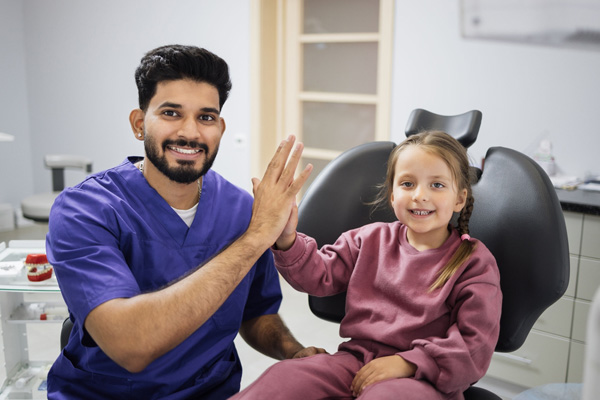
Orthodontic care is not just for teenagers and adults; children can also benefit from early orthodontic treatment, and pediatric orthodontics is a specialized field that focuses on diagnosing and addressing orthodontic issues in children.
6 signs your child may need pediatric orthodontics
Early intervention can help prevent more severe problems in the future. In this article, we discuss several signs that a child may need pediatric orthodontics (and the benefits of seeking early orthodontic care).
1. Early loss of baby teeth
When baby teeth are lost too soon or too late, it can disrupt the natural sequence of tooth eruption. This can lead to misalignments in the permanent teeth, causing issues like overcrowding, crookedness, or improper spacing.
Such irregularities can affect how permanent teeth come in and how the child's bite develops. Pediatric orthodontists are trained to recognize these early signs and can recommend appropriate interventions to guide the permanent teeth into their correct positions, ensuring a healthier bite and a more aesthetically pleasing smile in the long run. Early intervention can often simplify the treatment process and yield more successful outcomes.
2. Difficulty chewing or biting
When children have difficulty chewing or biting, it can signal misaligned teeth or jaw problems that affect their ability to process food effectively. Misaligned teeth might lead to uneven pressure on specific areas during biting and chewing, causing discomfort and inefficiency.
Orthodontic treatment for these issues can help align the teeth and jaws, enabling the child to chew and bite more comfortably. It improves their overall oral function and ensures that they can enjoy a varied and nutritious diet, contributing to their overall health and well-being.
3. Thumb sucking or pacifier use
Prolonged thumb sucking or pacifier use is a common habit among young children, but it can lead to dental problems, including teeth misalignment. The continuous pressure from the thumb or pacifier can push the teeth out of their natural alignment, affecting the development of the dental arches.
Pediatric orthodontists have the expertise to guide parents on strategies to discourage these habits gently. Additionally, if these habits have already caused dental issues, orthodontic intervention can address misalignment and support the proper development of the child's teeth and jaws.
4. Mouth breathing
Habitual mouth breathing in children can significantly impact the growth and development of their jaw and facial bones. When children primarily breathe through their mouths, it can lead to alterations in the facial structure and jaw positioning. This can result in conditions like an open bite, where the upper and lower teeth do not meet properly.
Pediatric orthodontists are well-equipped to address the underlying causes of mouth breathing, which may include allergies, enlarged tonsils, or other airway obstructions. By identifying and managing these issues, orthodontists can help the child develop healthy breathing habits and maintain proper jaw and facial bone development.
5. Crowded or misaligned teeth
Crowded or misaligned teeth are common issues that can affect a child's smile, confidence, and oral health. These problems may lead to overlapping or crooked teeth, making proper oral hygiene more challenging and increasing the risk of dental issues like cavities and gum disease.
In the long term, these issues can result in more severe problems, including bite irregularities. Early orthodontic treatment can be highly effective in correcting crowded or misaligned teeth, often preventing the need for more extensive orthodontic work in the future. By addressing these concerns during childhood, pediatric orthodontists can help ensure that the child enjoys a well-aligned, healthy, and aesthetically pleasing smile throughout their life.
6. Speech difficulties
Orthodontic issues can occasionally play a role in speech difficulties for children. The alignment and positioning of teeth and jaws are vital for clear and effective speech. When these components are not properly coordinated, it can lead to difficulties in pronouncing certain sounds or articulating words correctly.
Children may struggle with common speech challenges, such as lisping or mispronouncing specific consonants. An orthodontic evaluation is necessary in cases where speech difficulties are linked to dental or orthodontic problems.
Pediatric orthodontists can assess the oral structure, including the position of teeth, palate, and jaw, to identify any issues that may be contributing to the speech impediment. Pediatric orthodontics can help address these concerns, improving a child's ability to communicate clearly and confidently.
Contact our pediatric orthodontics office today
If you would like to speak with a licensed and experienced pediatric orthodontist in your area, call us today. We can schedule a time for you and your child to come for a complimentary consultation.
Request an appointment here: http://www.pricefamilyortho.com or call Price Family Orthodontics at (972) 528-5519 for an appointment in our Frisco office.
Check out what others are saying about our dental services on Yelp: Orthodontics for Children in Frisco, TX.
Related Posts
Orthodontics aims to straighten teeth and address a variety of issues that can develop as a result of poor teeth or jaw alignment. Issues that can be treated with orthodontic devices include spaces between teeth, crossbites, and crooked teeth.Orthodontics can also be used as preventative dentistry because it can be used to fix issues with…
Every person has unique reasons for seeking orthodontics. Some seek treatment to enhance the way that their smile looks, while others might want to address more serious issues, like not being able to speak properly due to teeth misalignment. Dentists often recommend orthodontics if they notice abnormalities like poor teeth alignment or a lack of…
Consulting with a dentist about using orthodontics like braces is the first step toward getting straighter teeth. Orthodontic devices move teeth to a more optimal alignment by applying constant force on them. Treatment times vary for each patient based on their unique condition, but it is typically somewhere between 12 to 36 months.Misaligned teeth can…
There are different types of appliances to choose from when it comes to orthodontics. These appliances typically work by pushing on the wearer’s teeth, gradually improving their alignment over time. Malocclusions, or bite problems, that can be treated with oral appliances include: Crooked teeth, spaces between teeth, overbites, underbites, and crossbites.Addressing poor teeth alignment provides…