


 (214) 383-0954

 Book Online
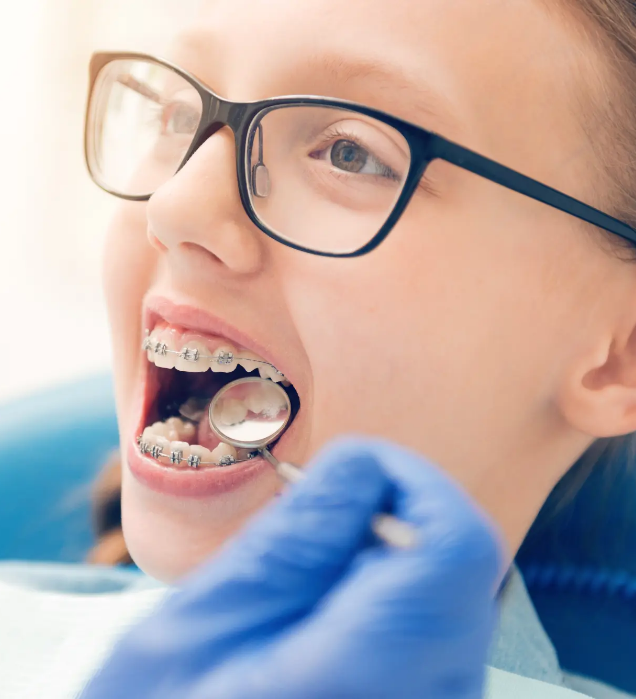
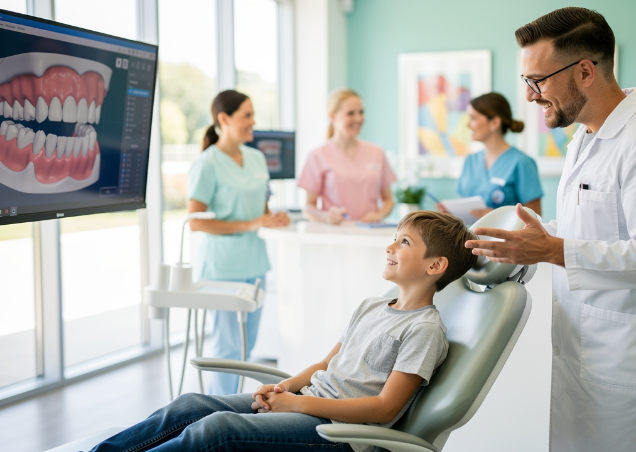
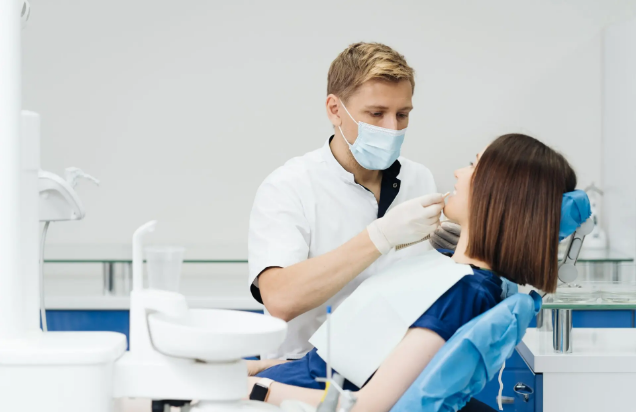
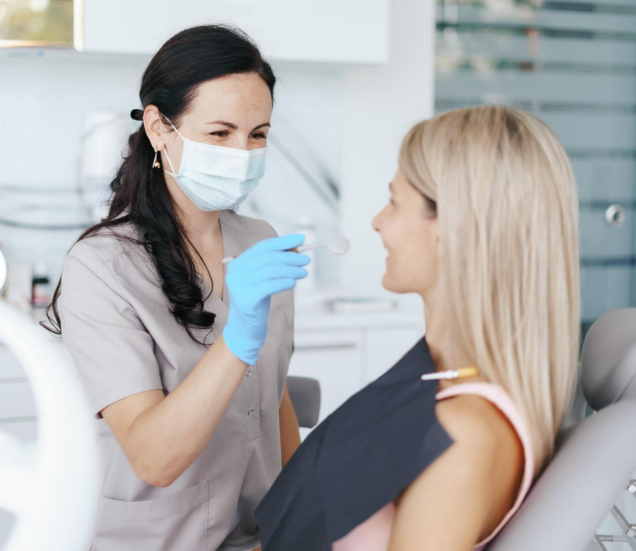
According to the American Association of Orthodontists, it is essential to get an orthodontist check-up for a child no later than age 7. This is because orthodontists can detect subtle problems with jaw growth and emerging permanent teeth while some baby teeth are still present.
Crooked teeth, crowded teeth, poor bite (malocclusion), overbite or underbite, asymmetrical jaw growth, and more issues often require orthodontic treatment. A dentist can advise on their observations and recommend orthodontists who could provide treatment. However, some patients prefer finding an orthodontist on their own and getting evaluated directly.
- Correcting space issues when permanent teeth start coming in while baby teeth are still present
- Using expanders or limited braces to facilitate upper and lower expansion to correct a crossbite
- Reducing protrusion for overbites
- Stopping thumb-sucking and pacifier use
- Many more treatment options exist depending on a child’s specific issues
The length of time wearing braces can vary from person to person. However, most children wear braces between one and three years, followed by a retainer to secure the teeth in position.
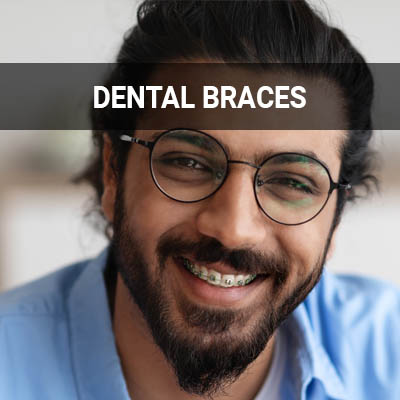
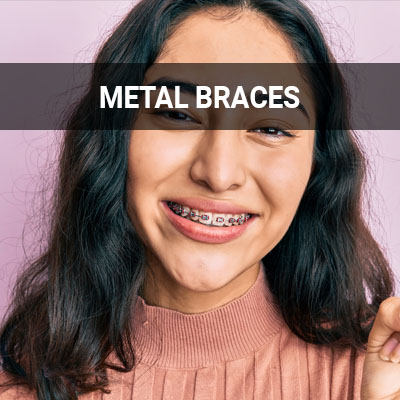
Orthodontic treatments consist of teeth-straightening appliances such as traditional metal braces, ceramic (tooth-colored) braces, and clear aligners. Orthodontics can also include treatments that help correct irregular or improper jaw placement.