



 (214) 383-0954

 Book Online
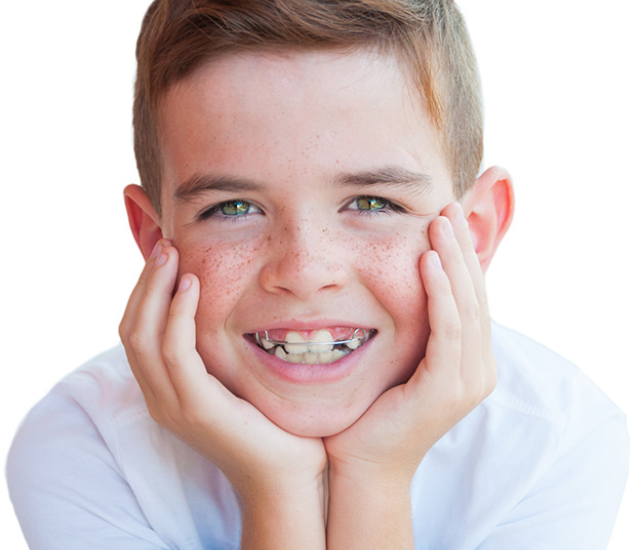
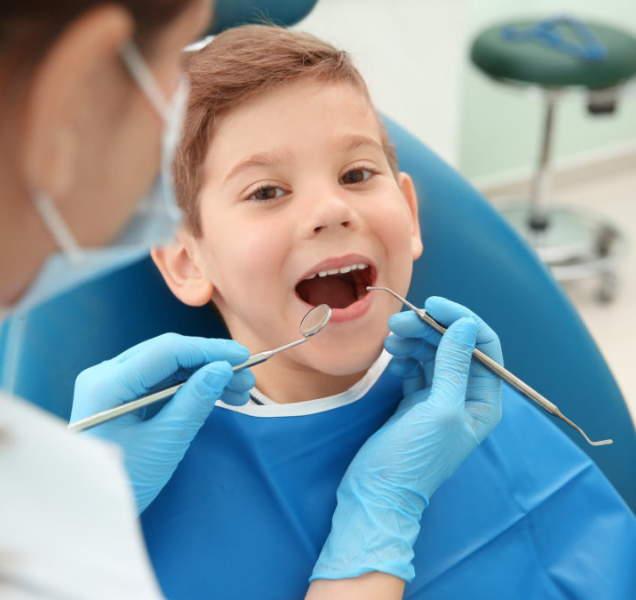
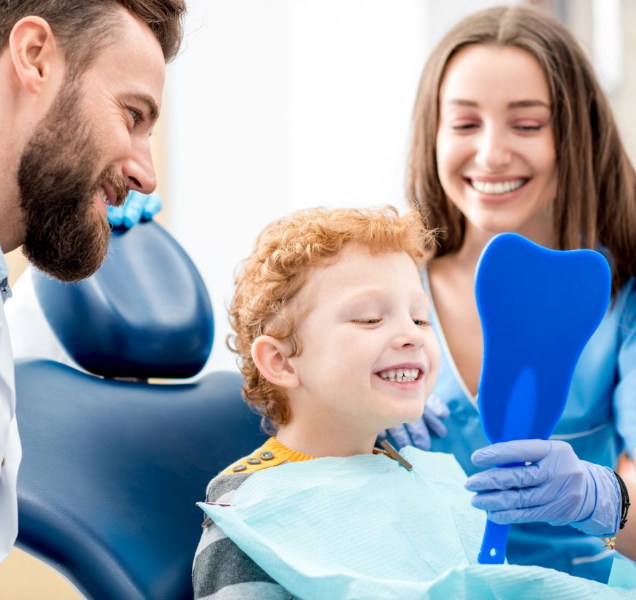
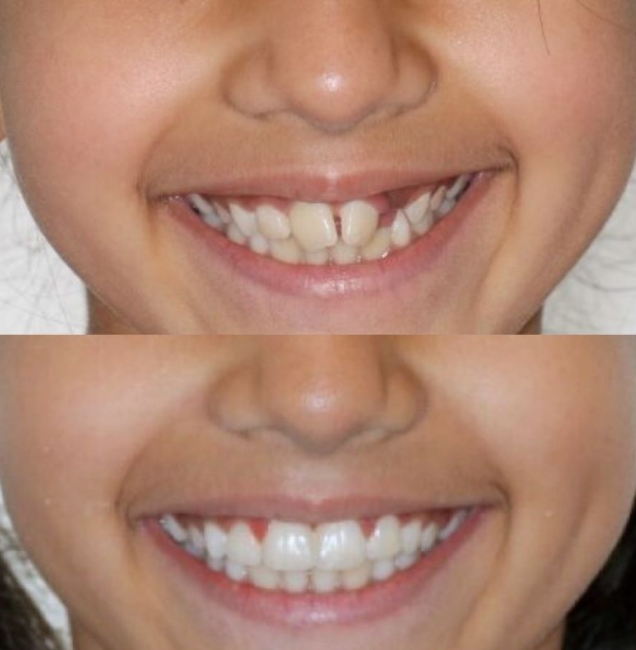
A child’s regular dentist will typically tell parents if they see a potential problem. Speech problems can be an early sign of orthodontic issues in children. If your child is having trouble chewing or any jaw pain, it may be necessary to see an orthodontist. If a child has a jaw that is too small for adult teeth to erupt properly, early orthodontics can help create room in the child’s mouth.
While a common concern of parents, pain is rarely reported with orthodontic treatment, and it is manageable. Also, one of the goals of children seeing an orthodontist is the prevention of more painful procedures later. Most discomfort associated with orthodontics comes when the braces are first put on and when adjusted during checkups. Our team offers advice on dealing with this discomfort, so the process is comfortable for each child.
Phase One orthodontics or early interceptive treatment is aimed at younger children who have a mix of baby and adult teeth. It typically takes place between the ages of 7 and 11. Its basic purpose is to address crowding and bite misalignment issues early when the child’s mouth is still developing, and there are more treatment options available. Braces and orthodontic appliances may be used at this phase along with devices aimed at correcting abnormalities such as tongue thrusting.
Insurance may not cover orthodontics for purely cosmetic reasons. However, orthodontics is rarely about purely cosmetic issues. For this reason, most insurance covers a portion of care. We can help with the insurance paperwork and discuss payment plan options with patients.
Not every child will need Phase One orthodontics. Some children may only need Phase One orthodontics, others will need only Phase Two, some will need both, and some will need no orthodontic treatment at all.
Children should care for their teeth the same way they cared for them before braces or orthodontic appliances. In addition, they should be sure to brush after eating. Any removable appliances should be removed while eating. Flossing is more difficult, and so your dental professional may recommend a water flosser or interdental brushes for the hard-to-reach places. Our team is happy to offer suggestions on caring for the teeth and orthodontic components.


